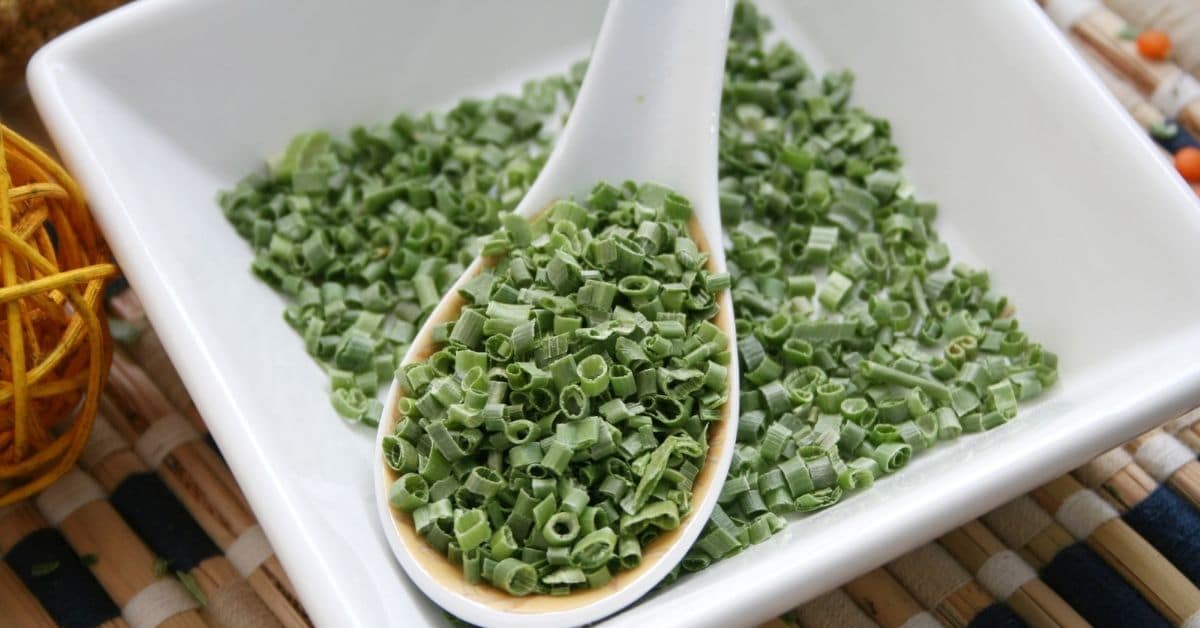
Unlock Year-Round Flavor: Simple Ways to Dry Chives at Home
Chives are a culinary delight, adding a delicate oniony zest to everything from scrambled eggs to baked potatoes. But what do you do when your garden is overflowing with these verdant beauties, or you find a fantastic deal at the market? Learning how to dry chives is the perfect solution, allowing you to capture their fresh flavor for use throughout the year. Drying them is not only incredibly simple but also preserves their unique taste better than many other preservation methods, ensuring you have a steady supply no matter the season.
This comprehensive guide will walk you through various effective methods for drying chives – from harnessing the power of the sun and air to utilizing kitchen appliances like your oven or a food dehydrator. We'll also cover essential preparation steps and crucial storage tips to ensure your dried chives retain their vibrant flavor and aroma for months to come. If you're looking for more ways to Unlock Year-Round Flavor: How to Easily Dry Chives at Home, you're in the right place!
Harvesting and Preparing Your Chives for Drying
The journey to perfectly dried chives begins with proper harvesting and meticulous preparation. These initial steps are vital for maximizing flavor and ensuring a successful drying process.
Optimal Harvesting Time
For the best flavor, harvest your chives in the morning after the dew has evaporated but before the intense midday sun. At this time, the plant's essential oils are at their peak, resulting in the most potent flavor. If your chives have gone to flower, don't worry – you can still harvest them, just be sure to remove the woody flower stalks as they tend to be tough and less palatable.
The Art of Cutting
Harvesting chives is straightforward. All you need is a sharp pair of kitchen scissors or pruning shears. Cut the chive stalks about an inch above the soil line, leaving enough of the plant to absorb sunlight and continue growing. This practice ensures your chive plant remains healthy and produces multiple harvests throughout the season.
Cleaning and Chopping
- Rinse Thoroughly: Bring your harvested chives indoors and rinse them gently under cool running water to remove any dirt, dust, or tiny insects.
- Pat Dry: Carefully pat the chives completely dry with a clean kitchen towel or paper towels. Any residual moisture can lead to mold during drying.
- Snip into Small Pieces: Using your scissors, snip the chives into small, uniform pieces, ideally less than a quarter-inch. Smaller pieces dry more quickly and evenly, and they'll be ready to use in recipes without further chopping. Remove any withered leaves, grass, or woody flower stalks at this stage.
Four Effective Methods for Drying Chives
Now that your chives are prepped, let's explore the various methods for drying them at home. Each technique offers its own advantages, allowing you to choose the best option based on your available equipment and desired outcome.
1. Sun Drying Chives: Nature's Way
Sun drying is an ancient, energy-efficient method for preserving herbs, perfect for those warm, low-humidity days. It's a fantastic way to capture the essence of summer in your dried chives.
- Preparation: Spread your finely chopped chives in a single, thin layer on a Silpat mat or parchment paper-lined cookie sheet. Ensure they are not overlapping excessively to promote even drying.
- Placement: Place the cookie sheet in a location with direct sunlight. A patio, deck, or even a sunny windowsill can work, provided there's good airflow.
- Drying Time: Drying time varies significantly based on factors like the chives' moisture content, the volume you're drying, and most importantly, the outdoor temperature and humidity. In hot, dry conditions (like 90°F with low humidity), chives can dry in as little as 4-6 hours.
- Tossing: Periodically toss or stir the chives to ensure all sides are exposed to the sun and air, promoting uniform drying.
- Crucial Tip: If humidity is high or there's a chance of rain, bring your chives indoors. Moisture is the enemy of dried herbs and can lead to mold. For longer drying periods, consider covering the chives with a fine mesh screen to protect them from dust and pests.
2. Air Drying Chives: Simple & Flavorful
Air drying is considered by many to be the best method for retaining the optimum flavor and aroma of chives, as it minimizes exposure to direct heat. This method works beautifully for whole chive stalks or larger pieces.
- Bundle Preparation: After rinsing and thoroughly drying whole chive stalks, tie them into loose bundles using kitchen twine. Don't make the bundles too tight, as this can hinder airflow and lead to mold.
- Hanging Location: Hang these bundles upside down in a warm, dry, well-ventilated area away from direct sunlight. A pantry, a corner of your kitchen, or a designated drying rack in a spare room are ideal. Ensure good air circulation around the bundles.
- Protection: To protect the chives from dust and pests, you can loosely cover the bundles with a paper bag (with holes cut for air circulation) or a breathable muslin cloth.
- Drying Time: Air drying typically takes longer than other methods, usually 1-2 weeks, depending on humidity and airflow.
- Testing Dryness: The chives are fully dried when they are brittle and crumble easily when touched. Once dry, you can snip them into small pieces for storage.
3. Oven Drying Chives: Quick & Convenient
For those times when you need to dry chives quickly or lack the ideal outdoor conditions, your oven can be a practical tool. The key here is low heat and careful monitoring.
- Preparation: Line a baking sheet with parchment paper. Spread your finely chopped chives in a single, even layer, ensuring no large clumps.
- Oven Setting: Preheat your oven to its absolute lowest temperature setting (usually around 170-200°F or 75-90°C). If your oven runs hot, you might even consider leaving the door slightly ajar to allow moisture to escape and prevent the chives from cooking rather than drying.
- Drying Process: Place the baking sheet in the oven. Check the chives every 10-15 minutes, gently stirring them to ensure even drying.
- Testing Dryness: The chives are ready when they are completely brittle and crumble easily between your fingers. This method can take anywhere from 30 minutes to 2 hours, depending on your oven and the chives' moisture content. Be careful not to burn them; burned chives will have a bitter taste.
4. Dehydrator Drying Chives: Consistent & Controlled
A food dehydrator offers the most consistent and controlled environment for drying chives, making it a favorite method for many home herb enthusiasts.
- Preparation: Harvest and rinse your chives as described. You can dry them whole or snip them into smaller pieces for faster drying.
- Tray Placement: Arrange the chives in a single layer on your dehydrator trays, ensuring good airflow between them. Avoid overcrowding the trays.
- Temperature & Time: Set your food dehydrator to a low temperature, typically between 95-125°F (35-52°C). Dehydrating chives usually takes 1-4 hours, but always refer to your dehydrator's specific instructions.
- Monitoring: Check the chives periodically. They are fully dried when they are crisp and brittle.
- Benefits: This method provides consistent, even drying, significantly reducing the risk of mold and preserving the chives' flavor and color effectively.
Storing Your Dried Chives for Long-Lasting Freshness
Proper storage is just as important as the drying process itself. Incorrect storage can lead to moisture reabsorption, mold, and a rapid loss of flavor. To Dry Chives Right: Best Practices for Flavor & Mold-Free Storage, follow these tips:
- Ensure Complete Dryness: This is paramount! There should be absolutely no moisture left in your dried chives. If they feel flexible or soft, they are not dry enough and will mold in storage. You can perform a "snap test" – if a piece doesn't snap easily, it needs more drying time.
- Airtight Containers: Transfer your thoroughly dried chives into clean, dry, airtight containers. Glass mason jars with tight-fitting lids are ideal, but any airtight container will work.
- Cool, Dark Place: Store your containers in a cool, dry, and dark pantry or cupboard. Exposure to light and heat can degrade the chives' flavor and color over time. Avoid storing them near heat sources like the back of a stove.
- Shrinkage: You'll notice that dried chives shrink significantly in volume – often by half or more. This is perfectly normal and a sign of successful drying.
- Shelf Life: When stored correctly, dried chives can maintain their potency for 6-12 months. Beyond that, their flavor will gradually diminish, though they will still be safe to use.
Conclusion
Knowing how to dry chives opens up a world of culinary possibilities, allowing you to enjoy their fresh, delicate onion flavor long after the growing season has passed. Whether you opt for the sun's natural energy, the gentle circulation of air, the controlled heat of your oven, or the efficiency of a food dehydrator, each method provides a reliable path to preserving this beloved herb. By following these simple steps for harvesting, preparing, drying, and storing, you'll ensure your pantry is always stocked with fragrant, homemade dried chives, ready to elevate any dish with a burst of garden-fresh taste.
